
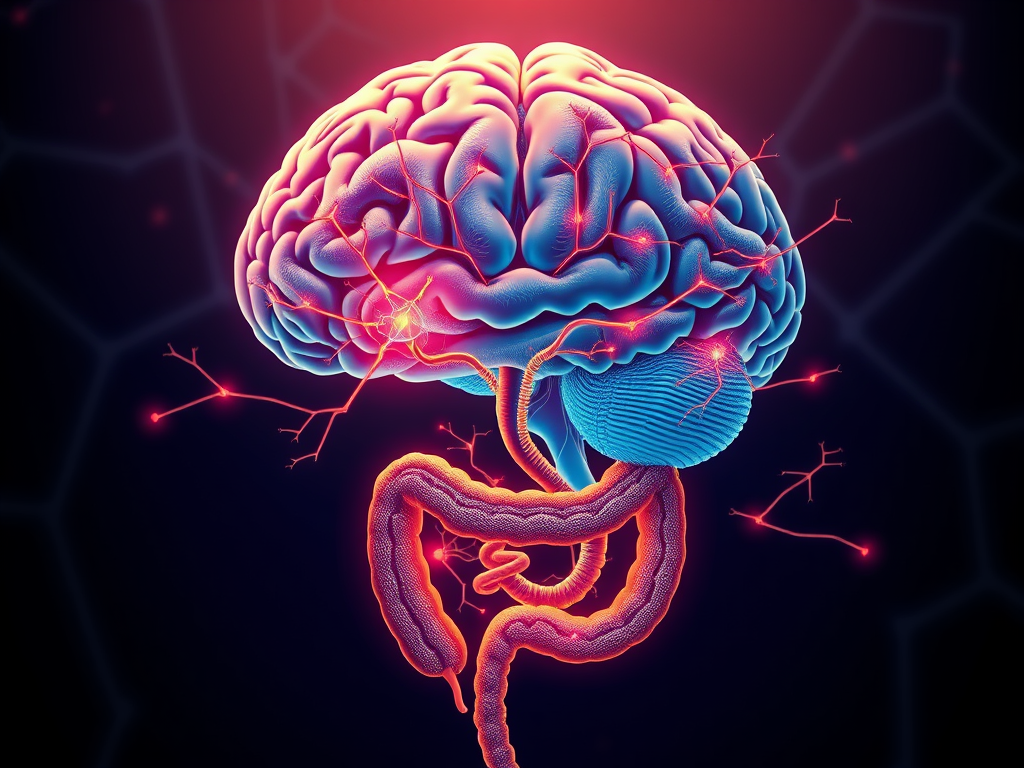
Feeling anxious, overwhelmed, or disconnected? Learn what the vagus nerve is, how it controls your anxiety, and science-backed exercises to activate it for instant calm.
If you’ve ever felt your stomach churn before a big meeting, or your chest tighten during a stressful conversation, you’ve felt your vagus nerve at work. It’s not “all in your head”—it’s in one of the most important systems in your body.
The vagus nerve is the central command of your parasympathetic nervous system—your body’s “rest-and-digest” mode. It’s the physical counterweight to the “fight-or-flight” stress response. When toned and active, it acts as a built-in brake on anxiety.
What Exactly Does the Vagus Nerve Do? (The Simple Explanation)
Think of your nervous system as a car. Your sympathetic nervous system is the gas pedal (fight-or-flight), and your parasympathetic system, led by the vagus nerve, is the brake pedal (rest-and-digest).
The vagus nerve is a massive, two-way information superhighway that runs from your brain down to your colon. It constantly sends signals about your body’s state to your brain, and vice-versa. About 80% of its fibers are sensory, sending information from your gut and organs up to your brain. This is why your gut feelings are so powerful.
When you’re stressed, the gas pedal is slammed down. Activating the vagus nerve is how you gently press the brake.
Signs Your Vagus Nerve Needs Support (Nervous System Overload)
Your body sends signals when your “brake pedal” is worn out:
- Chronic anxiety or a feeling of being “on edge”
- Poor digestion, bloating, or IBS-like symptoms
- Racing heart or heart palpitations
- Shallow breathing (you often hold your breath or sigh)
- Feeling disconnected from your body or others
How Anxiety Actually Starts in the Body (It’s Not Always a Thought)
We often believe anxiety starts with a worried thought. But frequently, it begins with a physical sensation that your brain then tries to explain.
- A stressor causes a subtle gut change or heart rate increase.
- This signal travels up the vagus nerve to the brain.
- Your brain, receiving “danger” signals from the body, creates a worried thought to match the feeling: “I must be anxious because of my job.”

This is the powerful gut → brain → thought axis in action.
Science-Backed Ways to Activate Your Vagus Nerve (Your “Brake Pedal”)
These exercises directly stimulate the vagus nerve, triggering a relaxation response.
- The Physiological Sigh (The Fastest Reset):
- Inhale deeply through your nose, then take one more sharp sip of air to fully expand your lungs.
- Exhale slowly and fully through your mouth with a long, audible sigh.
- Why it works: This pattern is proven to rapidly reduce stress and improve mood by increasing oxygen exchange and stimulating vagal pathways. It’s your body’s natural reset button.
- Cold Exposure:
- Splash cold water on your face, hold a cold pack to your cheeks, or finish your shower with 30 seconds of cold water.
- Why it works: The “diving reflex” is triggered by cold on the face, immediately slowing heart rate and stimulating the vagus nerve.
- Humming, Singing, or Gargling:
- Hum your favorite song for one minute, or gargle with water vigorously.
- Why it works: The vagus nerve is connected to your vocal cords and the muscles in the back of your throat. Vibrating them directly increases vagal tone.
Supplements That Support a Healthy Stress Response
While not direct “vagus nerve supplements,” these help create a calmer biological environment for your nervous system to thrive.
- Magnesium Glycinate: Supports GABA function, a calming neurotransmitter that works in concert with the vagus nerve.
- L-Theanine: Promotes alpha brain waves, associated with a state of “calm alertness,” without drowsiness.
- Omega-3 Fatty Acids (EPA/DHA): Essential for reducing neuro-inflammation and supporting brain cell health, these fats are found directly in fish oil and are converted by the body from plant sources like flaxseed and walnut oil. This makes them a key player in building a resilient stress response.
Scientific References:
This post contains internal links to our deep dives on Magnesium for Anxiety and the Gut-Brain Connection.
Disclaimer: This post shares insights from my 15-year journey with IBS-C and is for educational purposes only. It is not medical advice. Please consult your doctor before making any changes to your diet, supplements, or health routine.

 NeuroSpirit | Science-Backed IBS-C & Chronic Constipation RelieF
Leave a reply to From Self-Criticism to Safety: How Nervous System Regulation Builds Real Self-Love – IBS-C Relief Through the Gut-Brain Axis Cancel reply